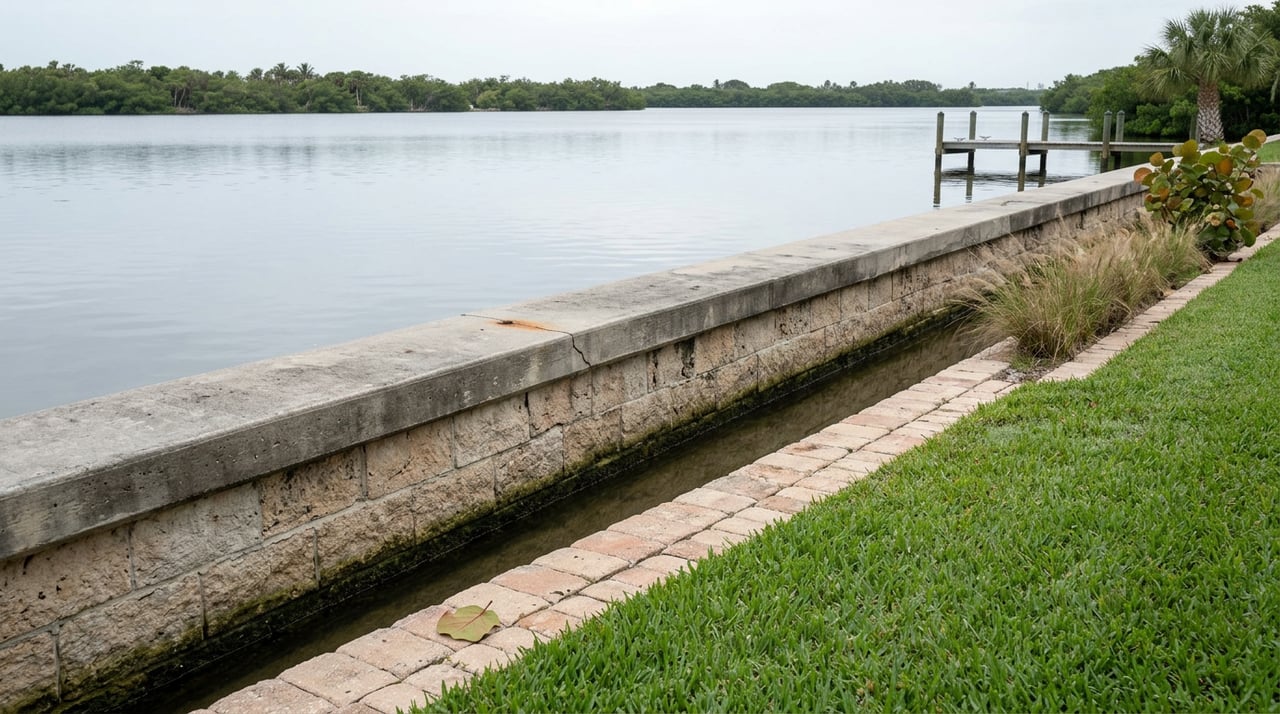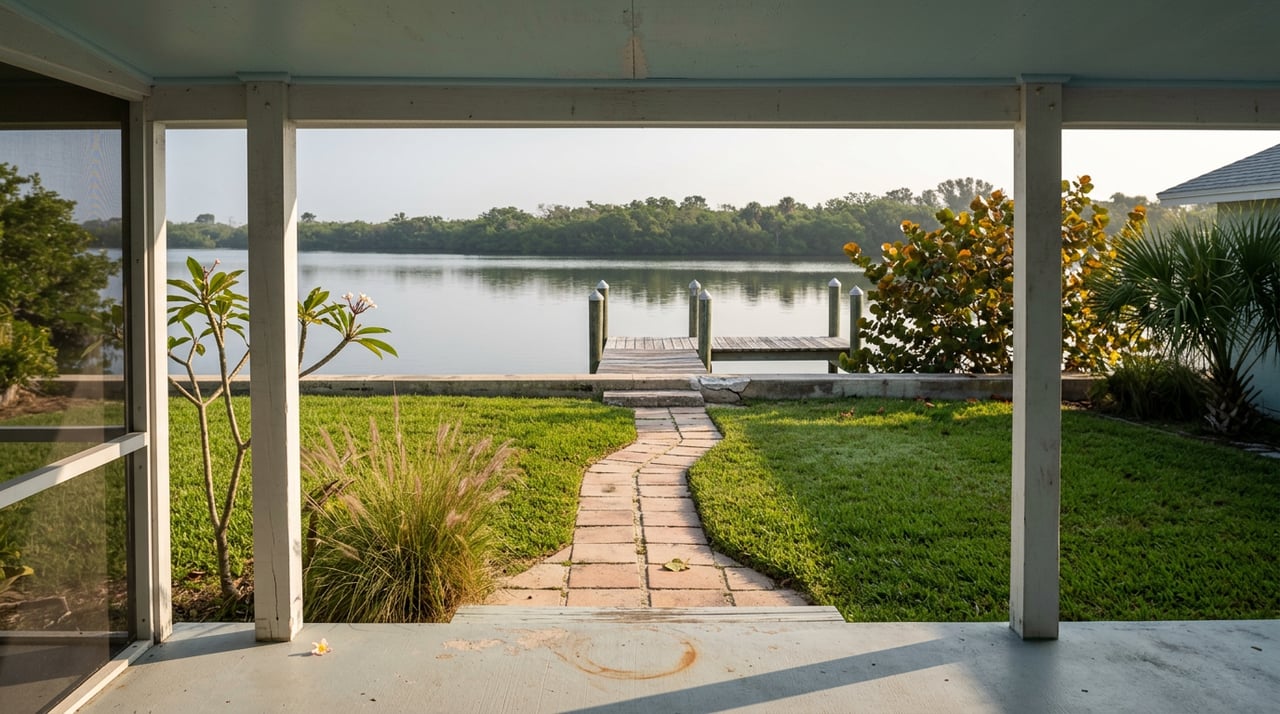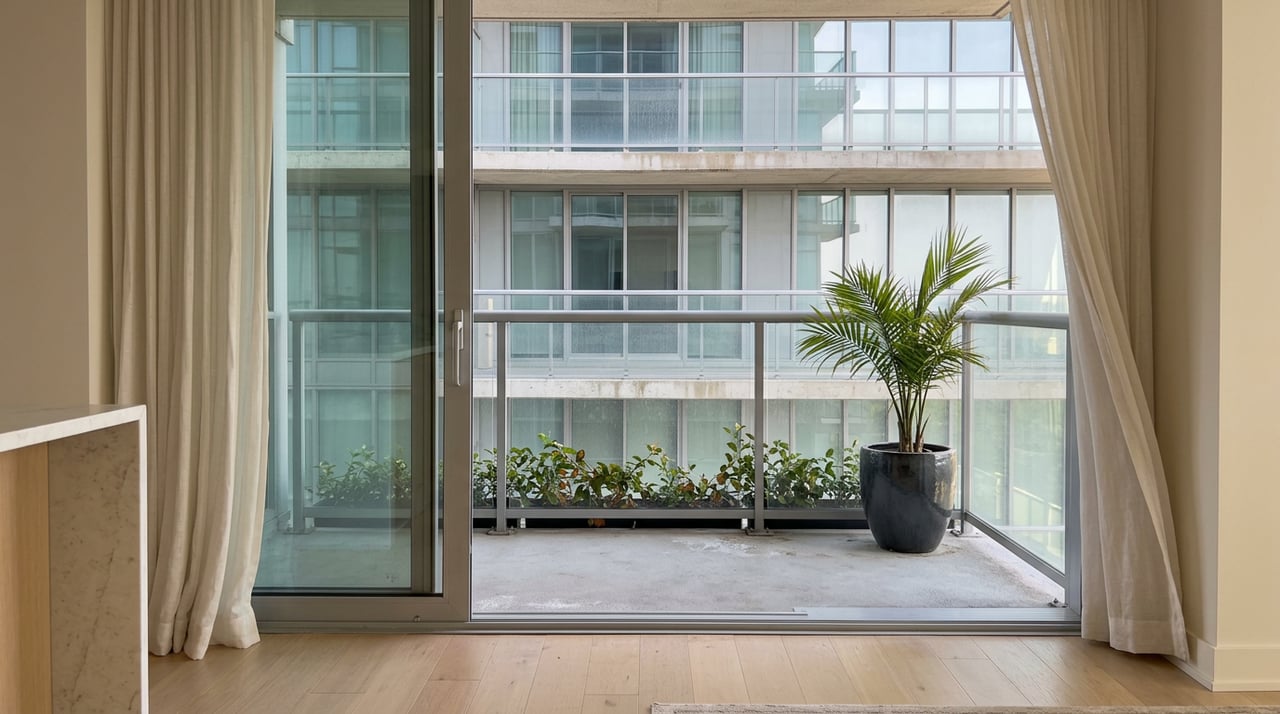
In 2015, the newest, tallest condominium tower in Tampa Bay stood a few blocks from the water in downtown St. Petersburg, fully built, fully sold, and only six years old. Then the assessment notices went out. Owners at Signature Place learned they collectively owed $8.7 million to fix improperly applied stucco and missing or faulty rebar, defects that had been baked into the building since construction and were invisible on any showing. One owner of a one-bedroom unit was billed $27,537, payable over ten years. Sales in the building all but stopped for the rest of that year.
That story matters right now for a reason that has nothing to do with 2015 and everything to do with the paperwork sitting in front of anyone shopping a downtown high-rise this year. Florida rewrote its condo safety laws after the Surfside collapse, and the rewrite is finally binding. But the reform solved a specific problem, the one that shows up in old buildings. It didn't solve the one that shows up in new ones. If you're comparing a tower that delivered in 2026 against one built in 1975, the paperwork you need to ask for is different for each, and assuming the newer building needs less scrutiny is exactly backward.
Two Towers, Two Very Different Bills
Signature Place isn't the only downtown cautionary tale, and the other one runs in the opposite direction. In 2023, a structural review of Bayfront Tower, downtown's original waterfront high-rise at 1 Beach Drive SE, found roughly $45 million in needed repairs, including problems with post-tension cables, exterior stucco and framing, garage concrete, and the roof, according to documents obtained by the Tampa Bay Times. The building was 48 years old at the time and had already gone through a $10 million renovation in 2014.
| Signature Place | Bayfront Tower | |
|---|---|---|
| Address | 175 1st Ave S | 1 Beach Dr SE |
| Age when the bill arrived | 6 years | 48 years |
| What caused it | Construction defects (stucco, rebar) | Age-related deterioration found in a post-Surfside review |
| Estimated cost | $8.7 million (2015) | About $45 million (2023 estimate) |
| One owner's example bill | $27,537 for a one-bedroom, over 10 years | Not itemized in public reporting |
Neither of these is a live assessment today. They are downtown case studies, and they point at two entirely separate failure modes. Bayfront Tower is the deferred-maintenance story, the one Florida's new inspection law was built to catch. Signature Place is the construction-defect story, and as you'll see below, it's the one the current law mostly doesn't reach.
The Reform Fixed One Kind of Risk, Not the Other
Florida's condo safety framework runs on two separate documents with two separate triggers, and conflating them is the single most common mistake buyers make when comparing downtown towers.
The milestone structural inspection is an age trigger. State law sets the statewide floor at 30 years and every 10 years after that, but local governments can move that clock earlier for coastal buildings. Broward County already requires milestone inspections at 25 years for every qualifying building in the county, regardless of exact location. Whether Pinellas County or the City of St. Petersburg adopt a similar rule for downtown's waterfront towers is a question worth asking your building's management directly, since it changes when a specific tower's first inspection comes due.
The Structural Integrity Reserve Study, or SIRS, is a height trigger. Any residential condo building three stories or taller has to produce one, regardless of whether it was finished last year or fifty years ago, and associations can no longer vote to waive or underfund the eight structural components it covers: roof, load-bearing structure, fire protection systems, plumbing, electrical, waterproofing and exterior painting, windows and exterior doors, and a catch-all category for any other item over the state's 2026 threshold of $25,675.
That grace period ended this year. Existing, owner-controlled associations were required to complete their first SIRS by December 31, 2025, and as of January 1, 2026, the reserve-waiver option is gone for good under House Bill 913. If you're shopping a downtown building today and the board tells you its SIRS "isn't quite done yet," there is exactly one lawful explanation left: the building also has a milestone inspection due on or before December 31, 2026, and it's completing both together under the narrow coordination window the law allows. Anything short of that answer is worth pressing on.
Here's the asymmetry that matters. A tower that delivered this year owes the reserve study on day one, same as a building from 1975. But absent a local ordinance moving the date earlier, it won't face its first mandatory structural inspection, the physical engineer's walk-through that would have caught what happened at Bayfront Tower, for roughly three decades. For all those years, the only thing standing between a buyer and a Signature Place-style surprise is the builder's original workmanship and the association's own diligence, not a state-mandated check-up.
What This Means for the Cranes Still Rising Over Central Avenue
Several towers now closing or nearing sellout downtown illustrate the point directly. Art House, developed by Kolter Urban at 275 1st Avenue South, is a 42-story, 244-unit tower now more than 90 percent sold. Down the street, 400 Central rises 46 stories and is currently the tallest residential building in Tampa Bay, having opened in 2024. Saltaire opened in 2022 and Bliss in 2021, with ONE St. Petersburg dating to 2018. Every one of these buildings already carries a SIRS obligation under current law. None of them will see a mandatory milestone inspection for decades.
Compare that to a building like Bayfront Tower, which has already been through the kind of scrutiny the newer towers haven't faced yet. That's a strange kind of comfort, since the news it produced was expensive, but it means an older building's actual physical condition is now on paper, verified by a licensed engineer, rather than projected from a spreadsheet. A two-year-old tower's SIRS numbers are still just estimates nobody has tested against real wear.
The Document That Actually Answers the Question
A SIRS has to include both a physical condition assessment and a funding schedule, and the schedule matters more than most buyers realize. Associations can adopt what's called a baseline funding plan, which only has to keep the reserve cash balance above zero across the study period. That's legal. It is not the same as fully funding each component to its eventual replacement cost. A building running a bare baseline plan has thinner reserves and a higher chance of a future special assessment even while remaining technically compliant, which is exactly the kind of detail a sales brochure won't mention and a buyer has to ask for directly.
The good news is that asking got easier this year. Under House Bill 1021, associations with 25 or more units were required to post their governing documents, budgets, and reserve studies to a website or app by January 1, 2026. That means a buyer today can request the portal link for a specific downtown building before writing an offer, not after.
Before making an offer on a downtown high-rise, ask the listing agent or board for:
- The declaration, bylaws, and rules governing how assessments are approved
- The current SIRS report, or a written explanation of why one isn't complete yet
- The milestone inspection report, or the specific date this building's inspection is due
- The master insurance policy summary and certificate of coverage
- Board minutes from the last 12 to 24 months, since a project mentioned repeatedly with no funding plan attached is the clearest early warning available
- A fresh estoppel certificate ordered close to closing
What the Estoppel Certificate Will and Won't Tell You
The estoppel certificate is the document most buyers already know to expect, and it's genuinely useful, just for a narrower purpose than people assume. Under Florida law, an association has 10 business days to produce one once requested, and the fee is capped at $299 for standard delivery, plus up to $119 for expedited three-day delivery and $179 if the account is delinquent. Once issued, it's valid for 30 days if delivered electronically or by hand, 35 days by mail.
What it shows is a snapshot: the regular assessment amount, anything currently owed, and any special assessment already levied as of the date it's issued. What it can't show is what a SIRS projects for three, five, or eight years out, because that math doesn't exist yet on the day the estoppel is prepared. Florida law separately gives condominium buyers a three-business-day window to cancel after receiving the association's disclosure documents, precisely because that packet, not the estoppel, is where the numbers that actually change a buyer's math tend to live.
A Few Questions Worth Asking Directly
Does a newer tower mean fewer questions to ask? No. The SIRS reserve requirement applies by building height, not age, so a tower that delivered this year owes the same reserve study as one from 1975. Absent a local ordinance moving the date earlier, it just won't face a mandatory structural inspection for roughly three decades.
What's actually different between a milestone inspection and a SIRS? One is a physical engineering assessment of the building's condition. The other is a financial plan for funding eight structural components over time. Every qualifying building eventually needs both, but they run on separate schedules and answer different questions.
If a board says the SIRS isn't finished, is that automatically a problem? Not automatically, but it should prompt one specific follow-up: is a milestone inspection also due for this building by December 31, 2026? If so, the two are likely being completed together under the law's coordination window. If not, ask why the deadline was missed.
Will the estoppel certificate warn me about a future assessment? Only if one has already been approved as of the date it's issued. Anything still in the reserve study or board discussion stage won't appear there. That's what the SIRS and recent board minutes are for.
Downtown St. Petersburg's skyline is still changing, and the towers rising along Central Avenue and Beach Drive each come with their own paper trail. Reading it well matters more than reading the brochure. If you're comparing a specific building's reserve study, milestone status, or estoppel and want a second set of eyes on what it actually says, Deanna Huber works these downtown buildings closely and can help you request the right documents before you're too far into a contract to ask.